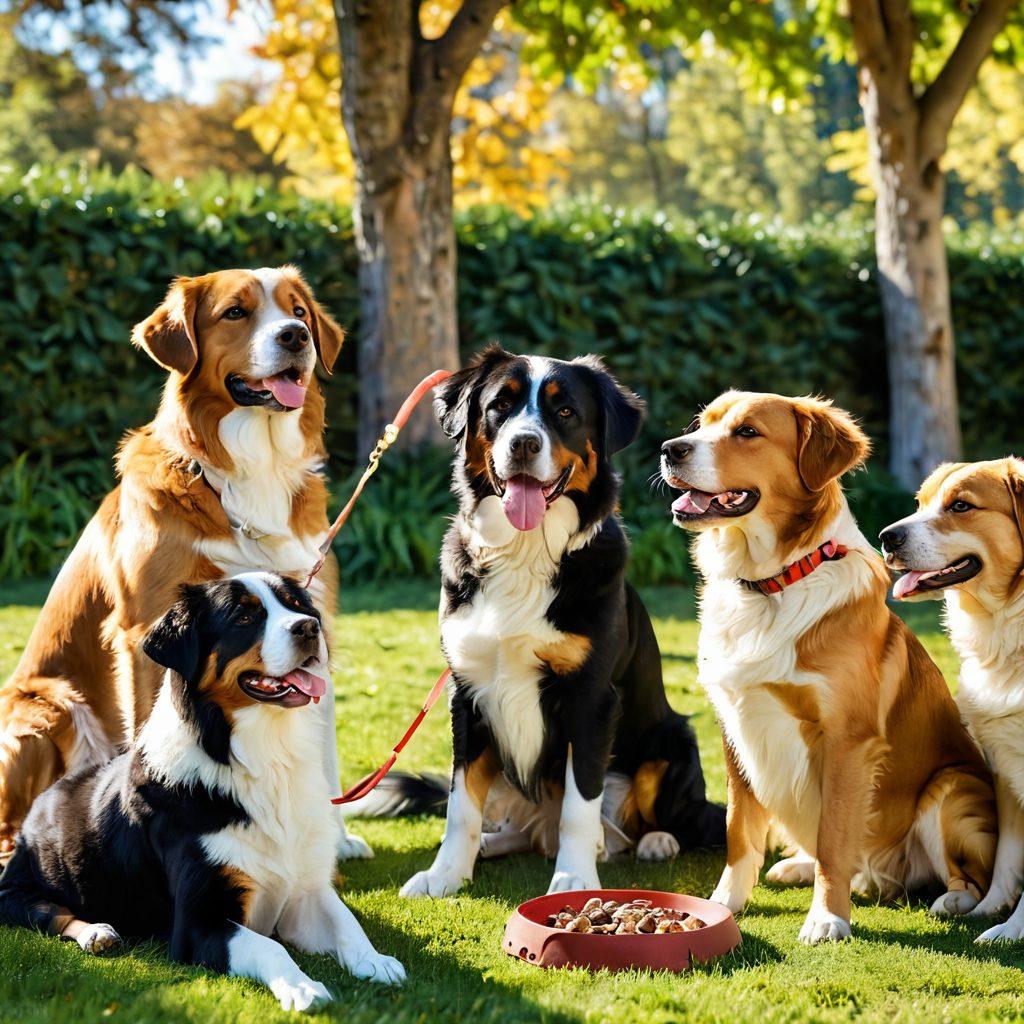
Unleashing the Power of Affection: A Deep Dive into Canine Companionship and Training Passion
When you think about the bonds we share with our adorable canine companions, what comes to mind? Is it those wagging tails, happy barks, or perhaps the loyal gaze that seems to communicate volumes? Affection is the language of dogs, and it is also the foundation upon which we build our relationships with them. Exploring the bonds of loyalty reveals how affection plays a pivotal role in canine training, pet ownership, and overall companionship. This blog takes you on a journey into understanding how this emotional connection not only enhances our lives but fundamentally shapes the way we train and engage with our dogs.
At its core, the connection between a dog and its caretaker is rooted in trust and affection. Dogs are remarkable beings—compassionate, loyal, and full of life. They thrive on their relationships with their human counterparts, which makes them eager students when we embark on the journey of canine training. Have you ever noticed how a simple pat on the back or a few kind words can elevate a dog’s obedience during training sessions? This is a powerful example of using affection as a method to reinforce positive behavior. Building on this mutual admiration for each other fosters not just obedience in dogs but a deeper bond of companionship that enriches both our lives.
Imagine the look in the eyes of a working canine as it responds to a well-executed command. This is loyalty incarnate. When we think about dog types, from family pets to service dog breeds and working canines, we can’t help but admire how affection shapes their behavior. It ties seamlessly to their training methods, encouraging them to perform tasks while feeling loved and secure. A dog's dedication to its family and caretaker is unparalleled, and by using affection effectively, we can nurture and develop their unique skills, whether it’s in canine activities, dog sports, or everyday life. Isn’t it fascinating how every breed has its personality, yet they all seek the same connection with us?
So, what does this mean for dog enthusiasts and caretakers? For starters, it emphasizes the importance of breed selection when considering pet ownership. Knowing which dog types resonate best with your lifestyle can lead to a more harmonious relationship where both parties feel fulfilled. Furthermore, understanding dog behavior through the lens of affection allows us to manage our pets better, guiding their development effectively. When we prioritize their welfare—not just in terms of feeding and walks but also in emotional companionship—we witness remarkable growth and loyalty in our furry friends.
As we navigate the intricate world of animal training, let’s remember that affection is a powerful tool in our toolkits. The right training methods that include positive reinforcement can lead to a stable and loving connection that forms a dog family spirit. Within this nurturing environment, dogs respond positively, whether they are service animals or cherished household pets. Have you ever seen a dog light up at the sound of its owner's voice? That gleeful reaction is the magic of affection at play. So let’s honor our canine companions and unleash the power of affection in shaping their training, behavior, and overall companionship. After all, our dogs are not just pets—they are our loyal partners in life.
From Pet Ownership to Passion: The Heart of Canine Companionship
As any dog enthusiast would tell you, the journey from pet ownership to a fervent passion for dogs begins when we first welcome a furry friend into our lives. These loyal companions enrich our existence in ways we never imagined, creating bonds that transcend mere ownership. With wagging tails and joyful barks, they remind us of the simple pleasures in life. But have you ever wondered what it truly means to embark on a journey of canine companionship? How does the act of sharing your life with a dog evolve into a profound passion for understanding their behavior, training, and welfare?
Canine companionship goes beyond simply having a pet; it speaks to the deep emotional connections we forge with our dogs. Whether you are a new dog owner or someone who has grown into a dog caretaker over the years, you know that those moments spent together—from walks in the park to cozy evenings on the couch—are priceless. As you delve deeper into the nuances of dog behavior and loyalty, you might find yourself captivated by the responsibilities that come with caring for these wonderful creatures. This passion for dogs can lead us to explore various dog types, learning about service dog breeds, working canines, and even the intricacies of breed selection and dog sports.
What many people don’t realize is that pet management and animal training are integral parts of nurturing the companionship with dogs. Developing effective training methods not only helps ensure obedience and good behavior, but it also deepens the bond between owner and dog. Remember, training isn't just about discipline; it’s an opportunity to communicate with our pets, to understand their needs, and to foster trust. This is where canine training transforms into a loving art form, allowing for incredible experiences that can only happen through a shared journey of growth. Do you recall a moment when your dog’s behavior left you in awe, reflecting the fruits of your training efforts?
Moreover, engaging in canine activities can open doors to communities of dog lovers who share your enthusiasm and passion for dogs. Whether through social media groups, local dog sports teams, or training workshops, the camaraderie among dog enthusiasts cultivates an enriching environment that fosters learning and fun. Have you ever participated in a local dog training class or joined a pack of fellow dog owners for a day at the park? The friendships formed in these spaces often deepen our understanding of dog welfare and the various breeds that enrich our lives.
Ultimately, the heart of canine companionship lies in our shared experiences, our successes, and even our missteps along the way. The journey transforms pet ownership from a simple responsibility into a passionate adventure filled with laughter, challenges, and a flourishing relationship. By embracing both the joys and challenges of dog ownership, we can cultivate a life that benefits both us and our furry companions. So, what’s next for your journey? Are you ready to dive deeper into canine training or explore new activities with your loyal friend?
Understanding Dog Behavior: A Guide to Training Methods and Dog Welfare
When it comes to the unbreakable bond between humans and dogs, understanding dog behavior is the key to building a strong companionship. Just think about it: have you ever watched a dog and wondered what goes on in its mind? Their wagging tails and playful antics hold deeper meanings, often rooted in their training and the affection they receive from their caretakers. Recognizing these behaviors not only enhances our ability to train our furry friends but also ensures their welfare. And let’s face it, having a loyal canine companion who understands you is a gift unlike any other in the world of pet ownership.
As dog enthusiasts, we often find ourselves driven by a passion for dogs that transcends mere ownership. This passion is the fuel behind effective canine training, enabling us to cultivate appropriate behaviors in our dogs through various training methods. Do you prefer positive reinforcement or perhaps a more traditional approach? Each method has its strengths, but what is most important is the affection and understanding we show our dogs. Every dog is unique, from service dog breeds that aid people with disabilities to working canines that make our lives safer. The root of all successful training lies in adapting our strategies to suit each individual dog's behavior and temperament.
Have you ever considered how much dog welfare intertwines with the training methods we choose? Good trainers understand that a positive learning environment helps dogs flourish and feel secure. This creates a win-win scenario for both the dog and the dog family – happy pups are more likely to obey commands, engage in canine activities, and participate in dog sports. Finding your ideal training strategy may require some trial and error, but investing time and compassion will lead to better outcomes. You may even discover that your pup has an unexpected knack for agility or obedience that you never thought possible!
When choosing the right dog, breed selection plays a pivotal role in building a lasting companionship. Each dog type comes with its own set of characteristics and behavioral tendencies. For instance, a German Shepherd may excel in following commands, while a stubborn Bulldog could challenge even the most patient trainers. Understanding these quirks not only makes training more successful but also allows us to make informed decisions about pet management. Have you ever felt frustrated with a dog’s disobedience? Reflect on whether it may stem from a lack of understanding their unique dog behavior rather than just a failure on their part.
Ultimately, the heart of canine companionship lies in mutual respect and trust. The loyalty in dogs is not merely instinctive – it flourishes in an environment where they feel understood and loved. So, the next time you engage in canine training or explore different dog activities, remember that your bond is being strengthened with every sit, stay, and fetch. Let your passion for dogs guide you in creating a fulfilling experience for both of you. After all, wouldn’t you agree that our furry friends deserve the best we have to offer?